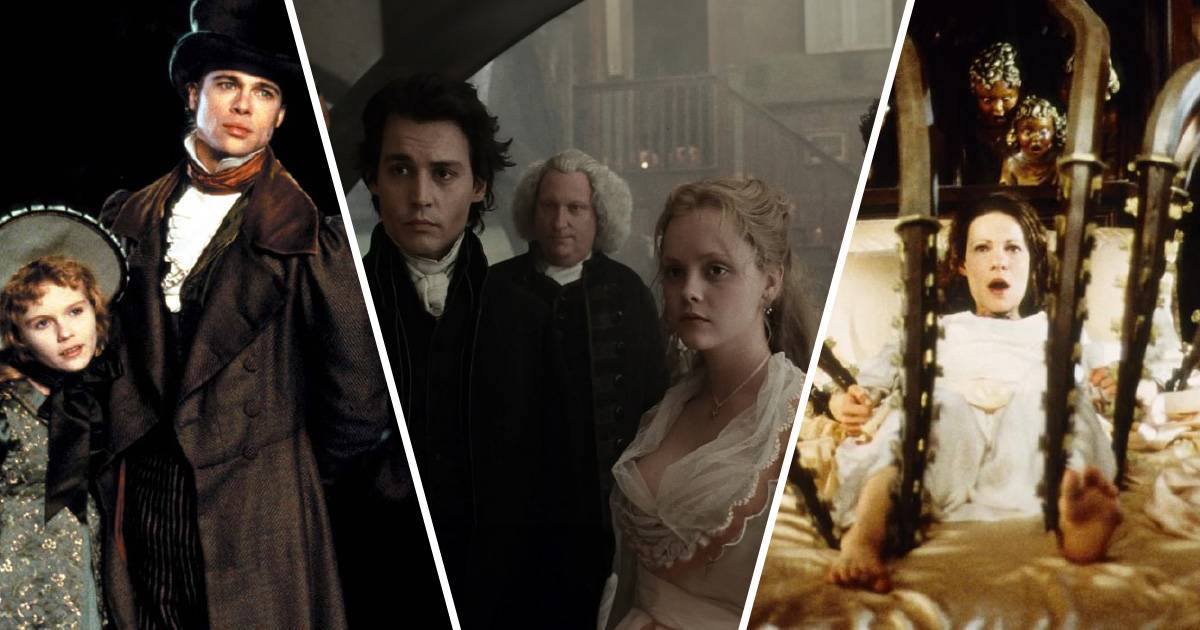
Why Horror Films Don't Top Most Expensive Movie Lists
When film enthusiasts discuss the "most expensive movies ever made," certain genres invariably dominate the conversation: colossal action epics, breathtaking sci-fi adventures, and sprawling fantasy sagas. Think of titles boasting multi-million dollar budgets, featuring armies of visual effects artists, global shooting locations, and A-list star power. Yet, a peculiar absence often strikes observers: where are the horror films? The quest to identify the teuerster horrorfilm aller zeiten (most expensive horror film of all time) isn't as straightforward as one might think, primarily because the genre simply doesn't play in the same financial league as its blockbuster counterparts. This article delves into the inherent characteristics of horror cinema, its unique economic model, and why frights seldom require a fortune.
The Blockbuster Blueprint: Why Other Genres Dominate Costs
To understand why horror films don't regularly feature on lists of the most expensive productions, it's essential to first look at what drives up budgets in other genres. High-concept action, science fiction, and fantasy films often demand massive financial outlays for several key reasons:
- Extensive Visual Effects (VFX) and CGI: Creating believable alien worlds, futuristic cityscapes, colossal explosions, or fantastical creatures requires hundreds, if not thousands, of hours from highly paid digital artists and cutting-edge software. Films like Avatar, Avengers: Endgame, or Star Wars sequels are prime examples, with visual effects often accounting for a significant chunk of their budgets.
- A-List Talent and Global Stars: Securing bankable actors, renowned directors, and seasoned producers for high-profile projects comes with hefty price tags, including upfront salaries and backend profit participation.
- Intricate Set Pieces and Stunts: Elaborate car chases, large-scale battles, and dangerous stunts demand expensive equipment, specialized crews, extensive safety measures, and often destruction of real property, all contributing to soaring costs.
- Exotic Locations and World-Building: Transporting cast and crew to multiple international locations, constructing intricate sets from scratch, and designing unique costumes and props for fantastical worlds can quickly escalate expenses.
- Marketing and Distribution: Beyond production, blockbusters require enormous global marketing campaigns to recoup their investment, further adding to their overall expenditure.
These elements are fundamentally woven into the DNA of genres designed for broad, global appeal, aiming for universal theatrical releases that can gross billions. When examining the most expensive films of all time, a glaring omission often stands out: the distinct lack of horror titles.
Horror's Ingenuity: Fright on a Frugal Budget
In stark contrast to the budget-busting strategies of blockbusters, horror cinema often thrives on ingenuity and constraint. The genre has a long and storied history of achieving maximum impact with minimal resources. Instead of relying on spectacle, horror frequently leverages:
- Atmosphere and Psychological Terror: Great horror often builds dread through suggestion, unsettling sound design, claustrophobic settings, and psychological manipulation rather than overt gore or expensive monster CGI. Think of the creeping unease in The Babadook or the pervasive tension in It Follows.
- Practical Effects: While CGI has its place, many horror fans and filmmakers prefer the visceral, tangible realism of practical effects. These can often be more cost-effective and, crucially, more convincing for scares than digital creations. Masterful use of prosthetics, makeup, and puppetry can create truly terrifying creatures and gore on a relatively smaller budget.
- Found Footage and Mumblegore: Subgenres like "found footage" (e.g., The Blair Witch Project, made for an estimated $60,000) or "mumblegore" often intentionally embrace a low-budget aesthetic, turning perceived limitations into stylistic strengths. These films use natural settings, unknown actors, and a sense of immediacy to create a terrifyingly real experience.
- Creative Storytelling and Original Concepts: The most effective horror films often rely on a strong, original premise and clever execution rather than elaborate set pieces. A compelling plot, well-developed characters, and masterful suspense building are far more crucial than explosions.
This commitment to effective, often low-cost, storytelling is a core reason why you rarely hear discussions centered around the teuerster horrorfilm aller zeiten in the context of record-breaking budgets. The magic of horror lies not in its expense, but in its ability to tap into primal fears.
Profitability and Risk: A Different Economic Model
The economic model for horror films also differs significantly from that of tentpole blockbusters. Studios are often more willing to greenlight horror projects with smaller budgets because the potential for a high return on investment (ROI) is substantial. Consider these points:
- High ROI Potential: Films like Paranormal Activity (budget: $15,000, gross: $193 million worldwide) or Get Out (budget: $4.5 million, gross: $255 million worldwide) demonstrate that horror can be incredibly profitable. This allows studios to take more chances on unique ideas without risking hundreds of millions of dollars.
- Dedicated Fanbase: Horror has a consistent, loyal audience that is often willing to seek out new films, regardless of a massive marketing push. This built-in audience helps ensure a baseline level of success.
- Lower Breakeven Point: A film that costs $5 million to make needs to gross far less to turn a profit than one costing $200 million. This significantly reduces the financial risk for studios, making horror an attractive, if often creatively edgy, investment.
- Strategic Scheduling: Horror films often perform well during specific periods like Halloween or even in quieter release windows, capitalizing on demand without needing to compete directly with summer or holiday blockbusters.
While some horror films, particularly big-budget remakes or adaptations of popular books (e.g., It Chapter Two), might push into the tens of millions, they still rarely approach the $200-$300 million budgets that define the most expensive films across all genres. The very identity of a "horror blockbuster" is often defined by its box office success relative to its modest budget, not its production cost. This is why the search for Finding the Most Expensive Horror Film: An Elusive Search often yields surprising results—it's not about the top-tier budgets, but rather about impact and profit.
The Elusive "Teuerster Horrorfilm Aller Zeiten"
Ultimately, the reason why the term teuerster horrorfilm aller zeiten doesn't regularly grace discussions of the most expensive movies is fundamentally rooted in the genre's nature. Horror doesn't *need* a massive budget to be effective. In fact, throwing excessive money at a horror concept can sometimes detract from its raw, visceral impact, making it feel over-produced or less grounded. The best horror often thrives on constraints, forcing filmmakers to be more inventive and to lean into atmosphere, practical effects, and psychological tension rather than spectacle.
While there have been notable exceptions, like certain big-studio remakes or films by acclaimed directors that command higher budgets, these still rarely compete with the colossal expenditures seen in superhero sagas or sci-fi epics. The horror genre's strength lies in its ability to terrify audiences with less, proving that true fear is priceless, not pricey.
Conclusion
The world of cinema is vast and varied, with each genre operating under its own set of artistic and economic principles. For horror, the lack of representation on "most expensive movie" lists is not a sign of weakness but rather a testament to its unique strength and enduring appeal. It's a genre that consistently proves that imagination, atmosphere, and psychological dread are far more potent tools for generating fear than expensive CGI or A-list salaries. So, while you might not find a horror film topping the charts for sheer production cost, rest assured that the genre continues to deliver some of the most impactful and profitable cinematic experiences, proving that terrifying an audience doesn't always have to break the bank.